Background on the Van Allen Probe A
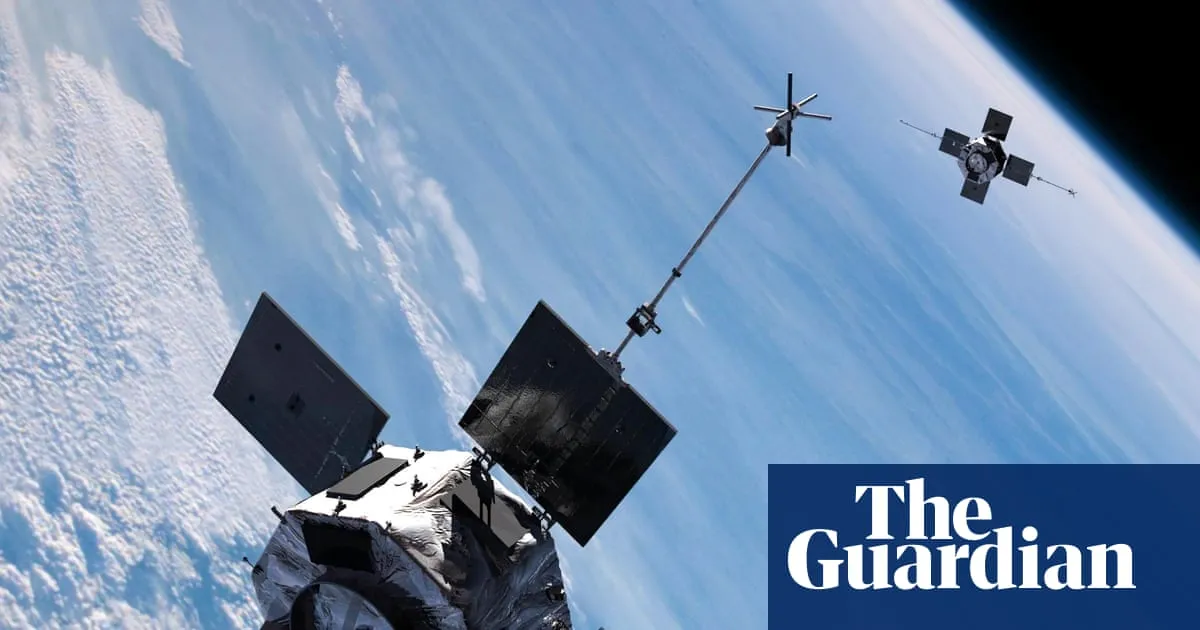
The Van Allen Probe A and its twin, Van Allen Probe B, were launched by NASA on August 30, 2012, to study the Van Allen radiation belts surrounding Earth. These belts are zones of charged particles that are trapped by Earth’s magnetic field, and understanding them is crucial for both space weather forecasting and protecting satellites and astronauts from harmful radiation.
The mission for Van Allen Probe A officially ended in 2019 when it ran out of fuel. Initially, the satellite was expected to remain in orbit until around 2034. However, increased solar activity has accelerated its trajectory, leading to an anticipated re-entry into Earth’s atmosphere much sooner than expected.
Upcoming Re-Entry Details
NASA has confirmed that the Van Allen Probe A is expected to re-enter Earth’s atmosphere on March 10, 2026, at approximately 7:45 p.m. EDT. The spacecraft weighs about 1,323 pounds (600 kg), and while most of it is expected to burn up upon re-entry, some components may survive the descent.
Experts have assessed the risk associated with the satellite’s re-entry. NASA estimates that the chance of harm to a person on Earth is approximately 1 in 4,200. Mark Matney, a NASA official, stated, “The odds that you will be hit are one in several trillion, so quite low for any particular person.” This indicates that while the event is noteworthy, the actual danger to the public is minimal.
Monitoring the Situation
NASA and the U.S. Space Force are actively monitoring the situation and will continue to update predictions as the re-entry date approaches. They emphasize that satellite re-entries are fairly common and rarely pose any real danger to people on Earth. Despite the low risk, the exact location where any surviving fragments might land remains difficult to predict, and details remain unconfirmed.
About 71% of Earth’s surface is covered by water, which further reduces the likelihood of debris causing harm. As such, the re-entry of the Van Allen Probe A is being treated with caution, but with a clear understanding of the low probability of any adverse effects on the population.
As the date of re-entry approaches, both NASA and the U.S. Space Force are committed to ensuring public safety and providing timely updates. The Van Allen Probe A’s mission has contributed significantly to our understanding of space weather and radiation, and its return to Earth marks the end of an important chapter in space exploration.