Who is involved
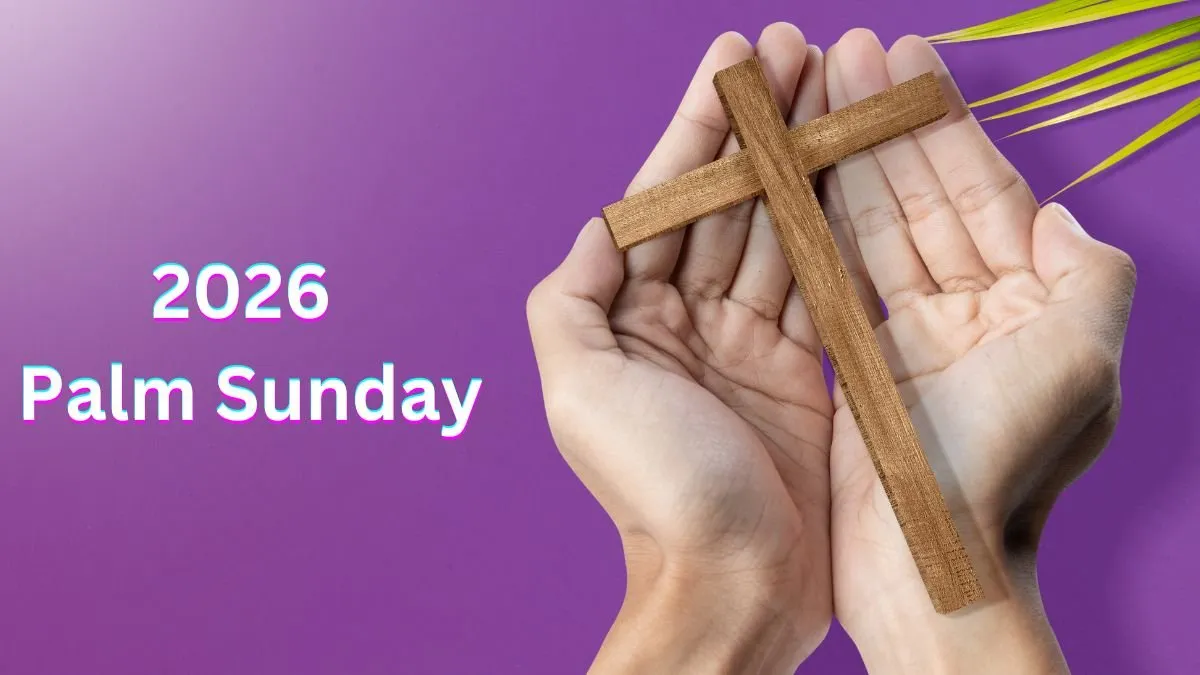
Palm Sunday, celebrated on March 29, 2026, traditionally marks the beginning of Holy Week, a significant period in the Christian calendar. This year, however, the atmosphere surrounding the event in Jerusalem was markedly different from previous years. Historically, Palm Sunday has been a time of unity and celebration among Christian communities, culminating in the observance of Maundy Thursday, Good Friday, and Easter Sunday. Yet, the events of 2026 introduced a stark contrast to this expectation.
The decisive moment came when, for the first time in centuries, church leaders were barred from celebrating Palm Sunday at the Church of the Holy Sepulchre. The Latin Patriarchate reported that Israeli police prevented these leaders from entering the church, a move that shocked many and disrupted the traditional observances. This unprecedented action raised immediate concerns about religious freedoms in a region already fraught with tension.
The implications of this decision were profound. Pope Leo XIV, during his Palm Sunday Mass, rejected claims that God justifies war, emphasizing peace in his message. He prayed for Christians in the Middle East, highlighting the ongoing struggles faced by the faithful in the region. The Pope’s words resonated deeply, especially in light of the barriers placed before church leaders, which many viewed as a direct affront to religious expression.
Experts and observers quickly weighed in on the situation. The Italian government, led by Prime Minister Giorgia Meloni, criticized the police decision, labeling it as a “manifestly unreasonable and grossly disproportionate measure.” Meloni underscored the importance of the Holy Sepulchre as a sacred place of Christianity that must be preserved and protected. Such statements reflect a growing concern among international observers regarding the treatment of religious practices in Jerusalem.
The immediate effects of the police action were felt not only by the church leaders but also by the wider Christian community. The inability to gather at such a significant site for worship disrupted the spiritual observance of many. The Church of the Holy Sepulchre, a pivotal location for Christians, became a symbol of the ongoing struggle for religious rights in the region.
As Palm Sunday 2026 unfolded, the juxtaposition of the day’s significance against the backdrop of police restrictions painted a complex picture. The event, which should have been a celebration of faith and community, instead became a focal point for discussions about religious freedom and the rights of individuals to practice their beliefs without hindrance.
Looking ahead, the implications of this disruption may extend beyond Palm Sunday. With Maundy Thursday on April 2, Good Friday on April 3, and Easter Sunday on April 5, the question remains: how will these events unfold in light of the recent restrictions? Details remain unconfirmed, but the situation has undoubtedly raised awareness and concern among Christian communities worldwide.