Introduction
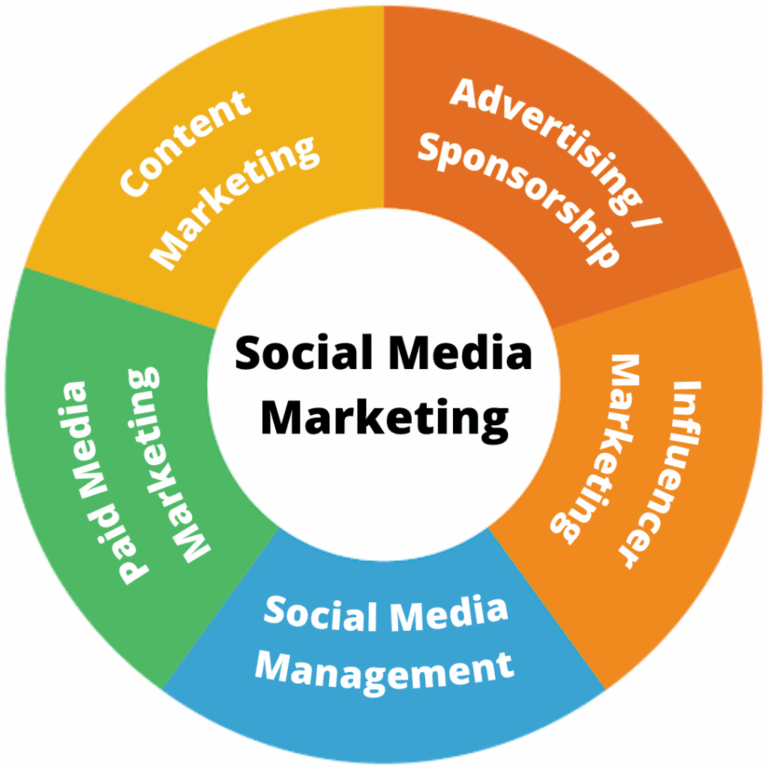
Influencer marketing has increasingly become a cornerstone of modern advertising strategies, particularly as consumer preferences shift towards authenticity and relatability. Brands are finding innovative ways to connect with their audiences through partnerships with influencers who resonate with their target demographics. With over 50% of marketers prioritising influencer collaborations, understanding this trend is crucial for brands looking to stay relevant in the ever-evolving marketing landscape.
The Current State of Influencer Marketing
As of 2023, influencer marketing continues to flourish, with a projected market size of approximately £13 billion. This growth has been driven by numerous factors, including the rise of social media platforms like Instagram, TikTok, and YouTube, where users spend a significant portion of their time. According to recent statistics, 93% of marketers have noticed increased effectiveness with influencer partnerships compared to traditional advertising methods. This shift highlights the potency of influencer marketing in reaching and engaging targeted audiences effectively.
Types of Influencers
Influencers come in various forms, including mega, macro, micro, and nano influencers. While mega influencers have millions of followers, micro and nano influencers, who have a smaller but highly engaged following, are gaining popularity among brands. Research indicates that micro-influencers often boast higher engagement rates, making them a cost-effective choice for brands aiming for niche market penetration.
Consumer Behaviour and Trends
Consumer behaviour is also shifting, with more individuals preferring genuine recommendations over traditional advertisements. A survey conducted by the Digital Marketing Institute found that 49% of consumers depend on influencer recommendations for their purchasing decisions. This trend demonstrates the trust consumers place in influencers who reflect their values and lifestyles.
Challenges Ahead
Despite its advantages, influencer marketing faces challenges, including concerns over authenticity and transparency. The Federal Trade Commission (FTC) has been vigilant regarding disclosure policies, requiring influencers to clearly state sponsored content. Additionally, the saturation of influencers in many markets raises the risk of oversaturation where consumers become desensitised to influencer promotions.
Conclusion
In conclusion, influencer marketing remains a powerful tool for businesses aiming to connect with their audiences in authentic ways. As we progress through 2023, brands must navigate the landscape carefully, focusing on building genuine relationships with influencers while maintaining transparency and authenticity. As the platform dynamics continue to shift, brands that adapt their strategies accordingly will likely enjoy fruitful engagements and long-lasting impacts on their consumer bases.